
Dentures make it possible to smile, speak, and eat with confidence again, but they don’t work exactly like natural teeth. Because dentures rely on suction, fit, and stability rather than roots anchored in bone, certain foods can be difficult or even damaging to eat. Knowing what to avoid can help you protect your dentures and enjoy greater comfort every day.
Sticky and Chewy Foods
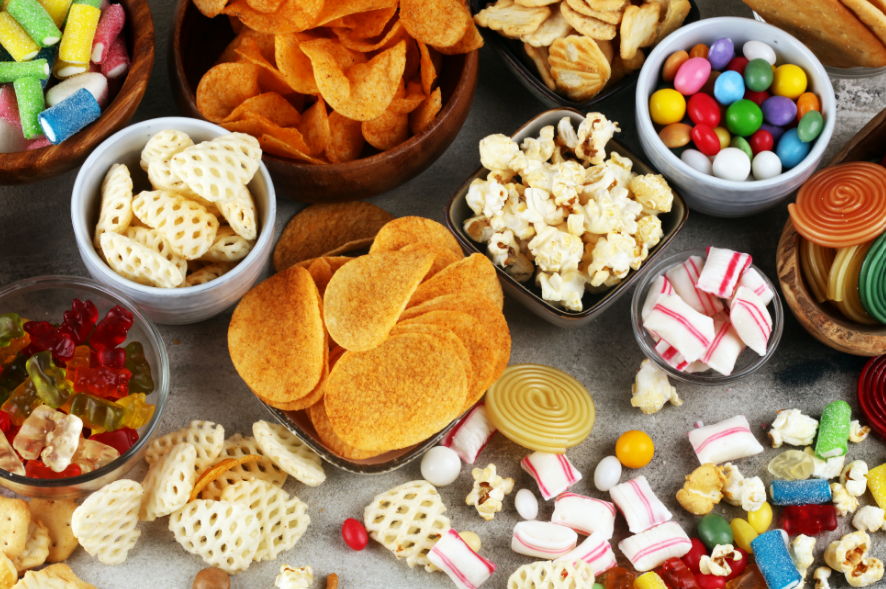
Sticky foods are some of the biggest troublemakers for denture wearers. Items like caramel, taffy, gummy candies, and chewing gum can pull dentures loose while you’re chewing. They may also stick to the denture surface, making them harder to clean and increasing the risk of irritation or infection.
Even some seemingly harmless foods, like dried fruit or chewy bread crusts, can create excess pulling force that destabilizes dentures and causes sore spots.
Hard and Crunchy Foods
Hard foods require strong biting force, which dentures aren’t designed to handle. Ice, hard candies, nuts, popcorn kernels, and raw vegetables like carrots can crack or chip dentures. Even if damage doesn’t occur, biting into something hard can cause dentures to shift unexpectedly, leading to discomfort or embarrassment.
Cutting firmer foods into smaller pieces or cooking them until they’re softer can make eating safer and more enjoyable.
Tough Meats
Steak, pork chops, and other tough cuts of meat can be challenging with dentures. These foods require a tearing motion rather than simple chewing, which can cause dentures to move or slip out of place. This can make meals frustrating and increase the risk of sore gums.
Choosing softer protein options, such as fish, ground meats, slow-cooked dishes, or plant-based proteins, can help you get the nutrition you need without unnecessary strain.
Foods with Small Seeds or Hulls
Foods with small particles can easily become trapped underneath dentures. Items like sesame seeds, chia seeds, berries with seeds, and popcorn hulls can irritate the gums and lead to inflammation or soreness. Over time, this irritation can make wearing dentures uncomfortable.
If you enjoy these foods, thorough cleaning and rinsing after meals is essential to keep your gums healthy.
Sugary and Highly Acidic Foods
Sugary and acidic foods may not damage dentures directly, but they can harm your gums and any remaining natural teeth. Candy, soda, and acidic beverages can increase the risk of gum irritation and infections, which may affect how well your dentures fit over time.
Maintaining a balanced diet and good oral hygiene helps support the tissues that dentures rely on for stability.
An Option for Greater Food Freedom
For people who want to enjoy a wider variety of foods, implant-supported dentures may be an option. These dentures are anchored to dental implants, providing increased stability and biting strength. Many patients find they can eat more comfortably and confidently compared to traditional dentures.
Dentures can restore your smile, but being mindful of what you eat helps ensure they remain comfortable and functional for years to come.
About the Practice
Dr. Jayson D. Voto provides personalized denture and partial denture solutions designed to restore comfort, function, and confidence. Led by an experienced dental team, we offer guidance on denture care, fit, and advanced options such as implant-supported dentures. Patient education and long-term oral health is our top priority. the doctors at Votodds Dental help patients make informed decisions about restoring their smiles.
Call us at (918) 272-5381 or request an appointment online.