Although there are potentially several ways to rebuild your smile after tooth loss, many experts consider dental implants the ideal solution. They’re the only treatment that is surgically placed in your jaw and eventually fuses with the bone, typically making them stronger and longer lasting than alternatives, such as dentures or bridges.
But that doesn’t mean they’re invincible. You could potentially hurt your new teeth or cause them to fail if you have these 3 less-than-ideal habits. Continue reading to learn more about how you might harm your implants to avoid potential failure!
Habit #1: Smoking
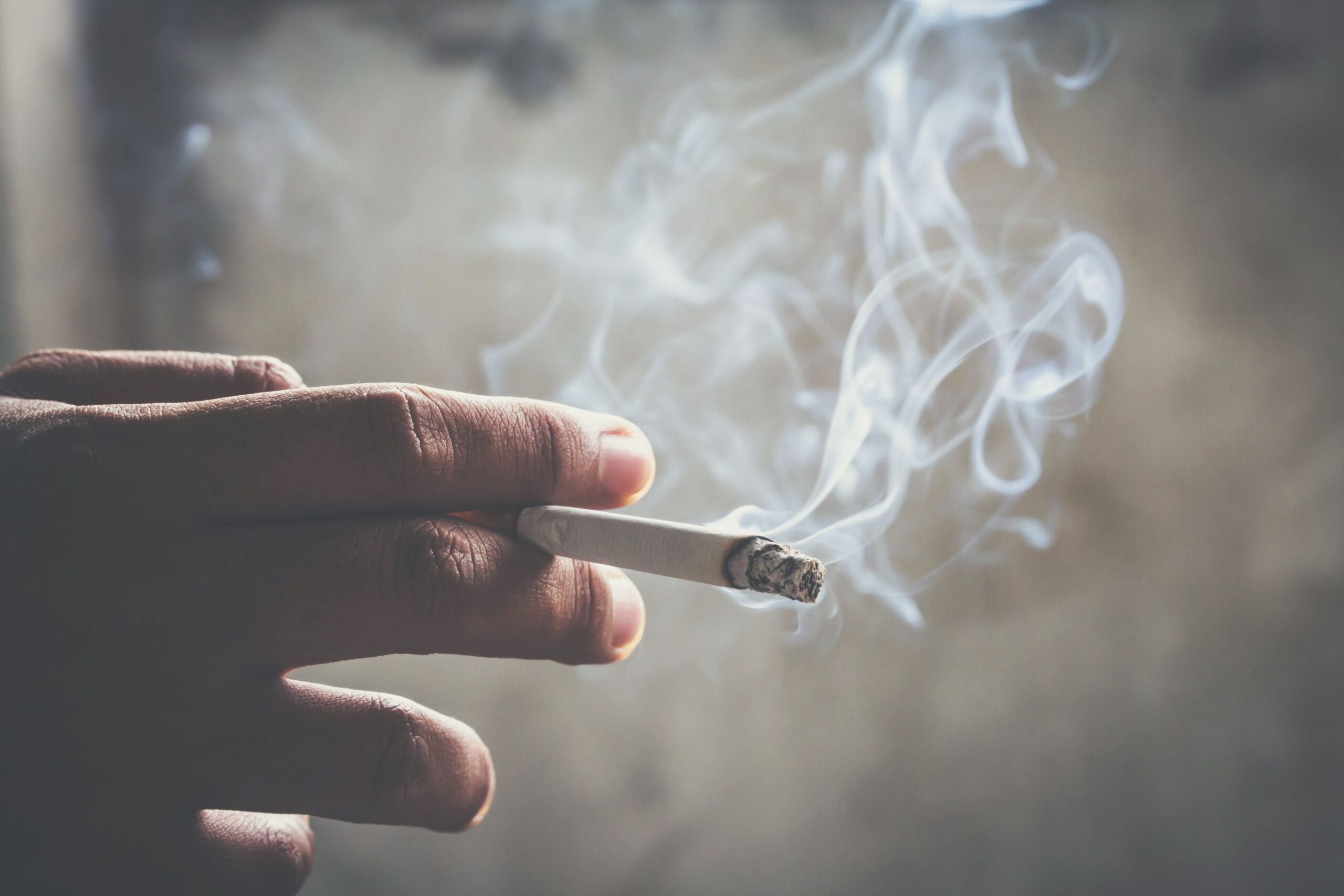
Would you be surprised to learn that people who smoke cigarettes, vape, or use other tobacco products may be up to twice as likely to experience dental implant failure? They contain nicotine, which functions as a vasoconstrictor. That means it suppresses your blood oxygen supply and flow while simultaneously impairing your immune system’s ability to respond. As a result, your body can’t deliver essential nutrients or infection-fighting cells to your mouth during recovery, significantly increasing the risk of implant failure.
Your provider might recommend that you quit smoking several weeks prior to your procedure and refrain from resuming your habit afterward long enough to recover successfully.
Habit #2: Grinding Your Teeth
If you’re like an estimated 30 to 40 million U.S. American adults who suffer from bruxism, you might subconsciously grind your teeth when sleeping. Unfortunately, the added pressure of constantly clenching down can cause oral issues, such as chipped or cracked enamel, tooth or bite misalignments, TMJ (temporomandibular joint) aches, and even dental implant failure.
This is because the support rod that’s placed in your jaw requires about 3 to 6 months to complete the process of osseointegration, in which your mouth produces enough new bone growth to envelop your restoration. The consistent and uneven pressure of teeth grinding can potentially prevent you from completing this necessary stage of recovery. Thankfully, your dentist can provide a custom-fitted oral appliance to wear to bed to cushion your teeth and maintain your jawbone.
Habit #3: Skipping Flossing
You might be instructed to avoid brushing your teeth for the first 24 hours following your implant procedure because your usual dental hygiene routine might irritate your already tender gums or harm the blood clot that must form over the surgical site for it to heal. After a day or two, it’s usually safe to resume brushing with a soft-bristle toothbrush, though you may need to wait a few more days before you can floss.
But many adults avoid flossing altogether, which can increase the likelihood of oral health issues, such as gum disease. This can be particularly risky if you’ve just had oral surgery because germs in your mouth can infect the site and cause peri-implantitis, the leading cause of failure. You’ll need to brush and floss twice daily to maintain your new tooth.
If you have additional questions about potential lifestyle changes that can help you avoid dental implant failure, you can learn more by contacting your dentist!
Meet the Author
Dr. Jayson Voto is passionate about providing quality dental care to help improve his patients’ lives. He earned his dental degree from the University of Oklahoma College of Dentistry, and today, is a member of several prestigious organizations, including the American Dental Association. He proudly offers a comprehensive menu of services using state-of-the-art technology so he can tailor your treatment plan to meet your unique needs. He has the advanced training and equipment to both place and restore dental implants in the office for your convenience. You can request an appointment on the website or call (918) 272-5381.